 English
 عربي
عربي Русский
 Français
 Español
 Deutsch
El G-530 es un radiotransmisor de red 4G económico que ofrece un rendimiento robusto de primera calidad y un alcance ilimitado sin un precio elevado.
LEER MÁS

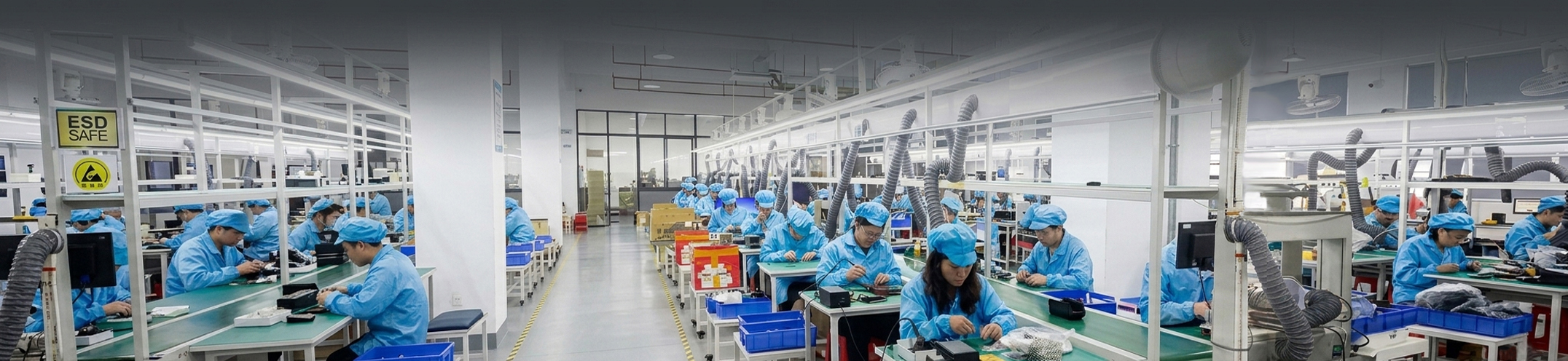
Por qué sus teléfonos inteligentes de $1,000 están interrumpiendo la cadena de suministro de su flota: un estudio de caso real sobre despacho en el punto de atención.
¿Te has preguntado alguna vez por qué, a pesar de equipar toda tu flota logística con smartphones de alta gama que cuestan miles de dólares y aplicaciones de enrutamiento de primer nivel, todavía tienes que llamar a cinco conductores diferentes solo para averiguar quién está más cerca de una recogida de última hora? ¿Reconoces esa ansiedad particular de "punto ciego" en el momento en que tus furgonetas de reparto salen del almacén, dejándote simplemente esperando que sigan la ruta en lugar de quedarse atascados en un embotellamiento de dos horas sin registro?
Si gestionas una red de distribución regional, una flota de mensajería urgente o una operación logística internacional transfronteriza, probablemente te hayas dejado seducir por las promesas del smartphone moderno. Nos dicen que estos dispositivos de cristal y aluminio pueden con todo. Pero en la calle, en medio de un turno de trabajo ajetreado, la realidad es mucho más compleja.
Un gerente de operaciones de flota, con quien recientemente hicimos la transición para dejar de usar aplicaciones móviles celulares, puso todo el problema en perspectiva con una sola frase:
"El smartphone funciona de maravilla para la comunicación individual. El problema es que no gestionamos un negocio de forma individual. Operamos como un único equipo sincronizado, y el smartphone, fundamentalmente, no es una herramienta de equipo."
Cuando tu modelo de negocio depende de plazos de entrega ajustados, tiempos de respuesta rápidos y sincronización inmediata sobre el terreno, los puntos débiles de los teléfonos inteligentes de consumo no solo causan una leve molestia, sino que reducen activamente tus márgenes de beneficio.
Este estudio de caso analiza cómo una empresa de logística de tamaño mediano eliminó por completo los puntos ciegos operativos, desechó sus ineficientes flujos de trabajo con teléfonos inteligentes y logró un verdadero control centralizado. Lo consiguieron mediante la implementación del sistema de radio celular (PoC) "Kanglong G-530" junto con la plataforma de despacho empresarial "Gxin", ampliando su red de comunicaciones desde rutas urbanas locales hasta un seguimiento continuo a nivel nacional e internacional.
Para comprender por qué es necesario un sistema de despacho de puntos de contacto dedicado, debemos analizar directamente las realidades físicas y operativas que las aplicaciones móviles estándar no logran resolver. En teoría, una aplicación para smartphone parece eficiente; sin embargo, en un vehículo en movimiento, introduce puntos críticos de fallo.
1. El cuello de botella de los guantes pesados y las pantallas táctiles
Imagínese a un conductor manejando una carretilla elevadora industrial en una terminal de transbordo con corrientes de aire, o sujeto a la cabina de un camión de reparto de cinco toneladas en pleno invierno. Llevan guantes de trabajo industriales gruesos y resistentes. Reciben una llamada urgente o una actualización de ruta de la central de despacho.
Con un teléfono inteligente estándar, todo el flujo de trabajo operativo se desmorona:
Este proceso es lento, engorroso y muy peligroso si se intenta mientras se conduce un vehículo en movimiento. En la práctica, los conductores suelen pasar por alto notificaciones críticas debido a la gran dificultad para responder.
2. La pesadilla del chat grupal y la cadena de llamadas secuenciales
¿Qué sucede cuando se requiere un cambio operativo inmediato? Imagínese un contenedor que llega a una terminal marítima dos horas antes de lo previsto, un cliente que deja bloqueada una puerta de carga crucial o un frente meteorológico adverso que se desplaza directamente sobre su principal vía de tránsito. Estos momentos exigen una respuesta grupal inmediata, unificada e instantánea.
En una red de telefonía móvil estándar, contactar con cinco conductores distintos implica realizar cinco llamadas telefónicas separadas y consecutivas. Para cuando el operador cuelga con el quinto conductor, la información proporcionada al primero ya está obsoleta.
La alternativa —depender de los chats grupales móviles como WhatsApp, WeChat o Slack— es igualmente defectuosa. Los conductores revisan los mensajes de texto de forma inconsistente porque están concentrados en la carretera. Una alerta crítica de seguridad o de cambio de ruta en un chat grupal es inútil si la mitad del equipo la lee treinta minutos tarde.
3. La merma de productividad de los trabajadores temporales
Durante los picos de actividad del comercio electrónico, las temporadas altas o los cuellos de botella en la cadena de suministro, los operadores logísticos deben incorporar rápidamente a conductores temporales y eventuales. Estos trabajadores temporales desconocen a sus clientes, la distribución exacta de sus almacenes y las rutas alternativas más convenientes. Requieren orientación continua y en tiempo real durante sus turnos.
Si sus operadores o supervisores de campo tienen que interrumpir constantemente sus rutinas de trabajo para llamar a los nuevos empleados, resolver problemas de ubicación por mensaje de texto y darles indicaciones paso a paso por teléfono, toda la estructura de gestión se paraliza. Al final, se sacrifica la productividad del personal veterano solo para evitar que los empleados temporales se pierdan por completo.
Para solucionar estas ineficiencias acumuladas, Kanglong Radio, con sede en Quanzhou (China), centro mundial de fabricación de comunicaciones inalámbricas, diseñó la radio G-530 PoC. Este dispositivo elimina las distracciones y vulnerabilidades digitales de un teléfono inteligente, sustituyéndolas por una herramienta robusta y de acceso instantáneo para el trabajo en equipo.
| TOPOLOGÍA TÉCNICA KANGLONG G-530 | |
| Dimensiones: | 91 * 54 * 34 mm (Ultracompacto, de gran portabilidad) |
| Peso: | 106 g (Chasis ultraligero con batería) |
| Red: | Redes públicas multibanda 4G LTE globales/nacionales |
| Batería: | Batería de polímero de litio de 2500 mAh (más de 100 horas en modo de espera) |
| Cargando: | Interfaz abierta Tipo-C de alta resistencia (compatible con Dash) |
| Mostrar: | Pantalla LCD transflectiva de alta visibilidad de 1,44 pulgadas |
| Lógica básica: | PTT mecánico de un solo toque / SOS dedicado / GPS real |
Diseñado para el trabajador físico.
Como se muestra en los diseños oficiales del producto, el G-530 presenta un diseño ultracompacto de tan solo 91 x 54 x 34 mm y un peso de apenas 106 gramos. Se sujeta firmemente al chaleco reflectante o al cinturón de herramientas del conductor sin engancharse en la carga ni añadir peso al cargar mercancías pesadas. En lugar de una pantalla de cristal frágil y extensa que se agrieta y se vuelve inservible al primer golpe, el G-530 utiliza una carcasa de material compuesto resistente a los impactos. Incorpora una pantalla LCD a color de 1,44 pulgadas de alta visibilidad que proporciona información clara sobre el estado (grupo de canales, nivel de señal, métricas de la batería e identificador de llamadas) incluso bajo la luz solar directa.
PTT mecánico sin necesidad de apuntar y audio de alto volumen
El elemento central del G-530 es su botón mecánico "Push-to-Talk (PTT)" de gran tamaño y textura rugosa, ubicado en el lateral del dispositivo. Un conductor que use guantes de cuero gruesos no necesita mirar la radio, desbloquear una interfaz ni navegar por menús. Simplemente presiona con el pulgar contra el lateral de la carcasa, siente el clic mecánico y habla. La comunicación es instantánea, con una latencia de transmisión inferior a 300 milisegundos.
Debido a que los vehículos logísticos y los almacenes están llenos de decibelios ambientales —desde el rugido de los motores diésel y el zumbido de los neumáticos en la carretera hasta el estruendo de las cintas transportadoras—, el G-530 está equipado con un altavoz interno de gran diámetro y alta potencia. El procesamiento de audio está optimizado para filtrar el ruido industrial de baja frecuencia, ofreciendo una reproducción de voz nítida y sin comprimir que garantiza que los mensajes se entiendan con claridad a la primera.
El cambio más profundo al pasar de las radios bidireccionales analógicas tradicionales o los teléfonos inteligentes estándar a la tecnología PoC es la magnitud de la infraestructura de comunicaciones.
Las radios bidireccionales tradicionales están conectadas a torres físicas con línea de visión directa. Si el conductor se aleja más de unos pocos kilómetros del almacén central, la señal se degrada y se convierte en estática. Esta limitación obliga a las empresas a gestionar las rutas regionales mediante sistemas fragmentados.
Conectividad global mediante topología de red 4G/5G
El Kanglong G-530 es un dispositivo de comunicación por voz (Push-to-Talk over Cellular, PoC). Funciona en redes celulares públicas multibanda 4G LTE (compatibles con FDD B1/B2/B3/B4/B5/B7/B8/B20 y TDD B34/B38/B39/B40/B41). Gracias a estas redes de datos celulares comerciales de amplia cobertura, su alcance de comunicación es prácticamente ilimitado.
Desde un ordenador de sobremesa centralizado en su sede, ya sea en Quanzhou o en cualquier otro centro metropolitano importante, un único operador que posea una cuenta maestra de la "Plataforma de Despacho Gxin" puede gestionar, rastrear y comunicarse con los miembros de la flota repartidos por diferentes estados, países o incluso continentes.
Si un transitario internacional tiene un conductor recogiendo mercancía en una fábrica del interior de Europa Central, un contenedor marítimo transitando por un puerto de Asia y una furgoneta de distribución circulando por el centro de una ciudad densamente poblada de Norteamérica, los tres pueden ser monitorizados en una sola pantalla. Pueden comunicarse en el mismo grupo de voz con claridad, sin cargos por roaming de larga distancia, sin mantenimiento de infraestructura y sin pérdida de señal.
La radio física G-530 proporciona el flujo de datos, pero la "Plataforma de Despacho Gxin" actúa como el cerebro administrativo de la operación logística. Cuando un gerente de operaciones inicia sesión en la consola Gxin, se le presenta un centro de mando visual interactivo en tiempo real que proporciona control total sobre la dinámica del grupo, los registros de datos y las métricas de ubicación.
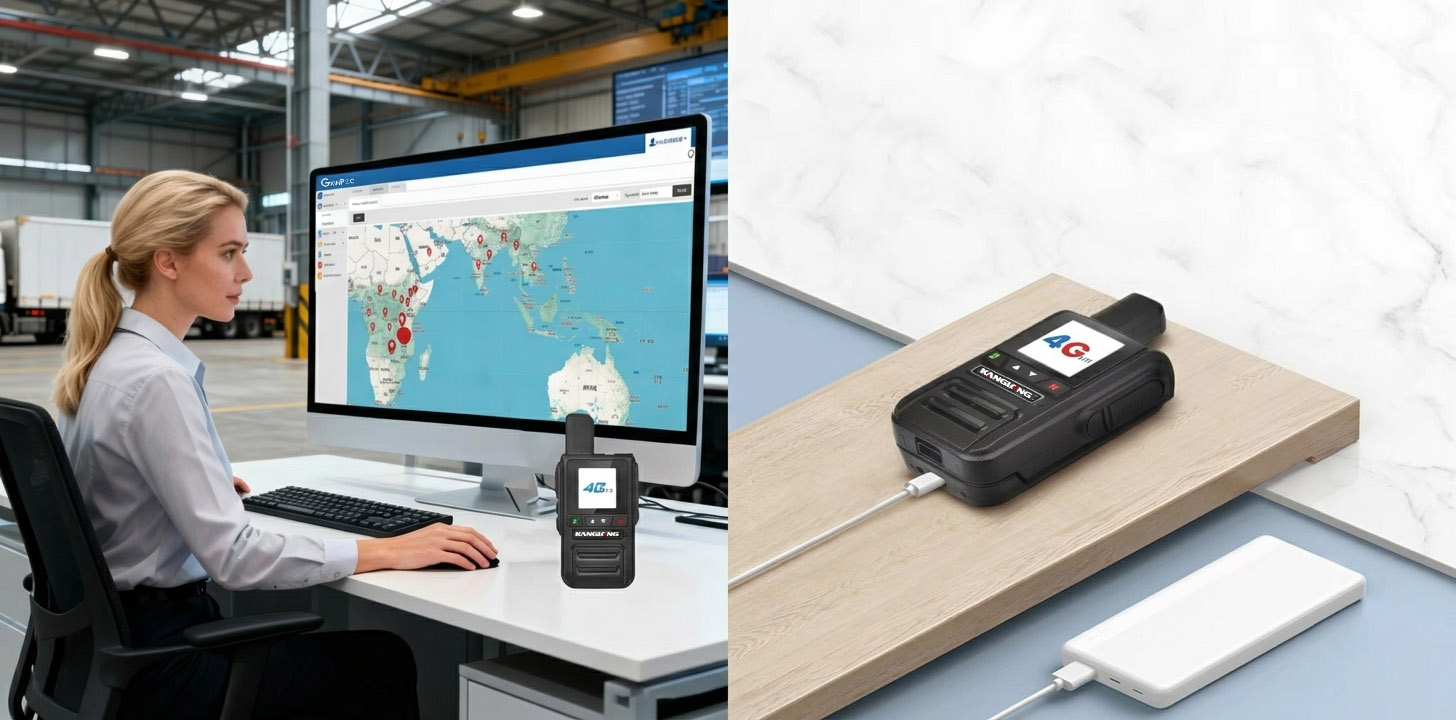
La plataforma Gxin permite tres niveles de comunicación principales que resuelven las limitaciones de la trampa de la comunicación "uno a uno" a través de teléfonos inteligentes:
1. Llamada general / Comando de difusión: Envía un anuncio de audio inmediato e ininterrumpible a todas las radios activas en toda la red global para avisos críticos de toda la empresa o alertas de emergencia.
2. Llamada de grupo / Sectorización: Divide tu flota en subcanales funcionales y localizados (por ejemplo, "Flota terrestre este", "Equipo de aduanas transfronterizas", "Equipos de carga de almacén"). Los conductores solo escuchan las comunicaciones relevantes para sus tareas específicas, lo que mantiene el tráfico de radio limpio y organizado.
3. Llamada selectiva (privada individual): Permite al operador hacer clic en el icono de un conductor específico en el mapa y abrir un canal de audio privado. Esto posibilita brindar instrucciones o asesoramiento directo y confidencial sin que el mensaje llegue al resto del grupo.
Para ver cómo funciona este sistema integrado bajo presión real, sigamos a una flota de logística exprés de gran volumen durante un exigente turno de lunes en plena temporada alta.
07:15 AM – Incorporación rápida de flotas
El centro de distribución principal es un hervidero de ruido. Las carretillas elevadoras cargan palés, las alarmas de marcha atrás suenan y sesenta furgonetas de reparto permanecen con el motor en marcha. La jefa de operaciones, Sarah, necesita desplegar a sus conductores habituales junto con diez trabajadores temporales recién contratados.
En lugar de gestionar un flujo interminable de números de teléfono móvil personales, configurar perfiles de software o preocuparse por la compatibilidad de las aplicaciones en los teléfonos inteligentes personales, Sarah saca sesenta radios Kanglong G-530 preconfiguradas de un soporte de carga múltiple y le entrega una a cada trabajador.
Los dispositivos se encienden al instante, se conectan a la red en segundos y muestran los nombres de sus grupos asignados en las pantallas LCD a color de 1,44 pulgadas. En su monitor Gxin, Sarah observa cómo se iluminan sesenta marcadores verdes en la interfaz del mapa. Con unos pocos clics, añade a los diez trabajadores temporales a un canal de grupo específico de "Soporte de incorporación", aislando así sus preguntas iniciales de la frecuencia principal de operaciones.
09:40 AM – La puerta cerrada y el desvío inmediato de la flota
El conductor Dave llega a una enorme planta de fabricación industrial con una entrega urgente de materia prima. Al llegar al control de seguridad trasero, descubre que la puerta de acceso electrónica automatizada está completamente bloqueada debido a una falla eléctrica, y el carril de seguridad física está obstruido por vehículos de construcción.
Si Dave estuviera usando un teléfono inteligente, tendría que poner su camión en punto muerto, quitarse los guantes gruesos, desbloquear el teléfono, marcar el número de Sarah, esperar una respuesta, explicar la situación y luego esperar mientras Sarah llama secuencialmente a otros tres camiones que se dirigen a las mismas instalaciones para advertirles. En cambio, Dave mantiene ambas manos en el volante, pulsa el gran botón mecánico PTT del G-530 y habla:
> Dave (Unidad 02): "Despacho, habla Dave. La puerta norte del parque industrial está completamente cerrada y bloqueada por obras. No dejen que los demás camiones de plataforma entren por este carril; quedarán atrapados en el callejón de acceso."
El audio sin comprimir sale instantáneamente de la consola de escritorio Gxin de Sarah y, simultáneamente, resuena a través de los altavoces de alto volumen de los otros cuatro camiones que se dirigen a esa zona específica. Sarah no necesita preguntarle a Dave dónde está ni consultar una hoja de cálculo de rutas. Simplemente mira su mapa Gxin en tiempo real, confirma la ubicación GPS de Dave justo en la intersección bloqueada y utiliza la función "Llamada de grupo" de la plataforma para redirigir los vehículos entrantes en tiempo real.
> Sarah (Operadora): "Todas las unidades que se dirigen al Parque Industrial Norte, ajusten su ruta de inmediato. Giren hacia el sur en la Carretera 9 y utilicen la entrada comercial secundaria. La Puerta Norte está intransitable. Dave, mantén tu posición, te asignaré una nueva ruta ahora mismo."
Toda la flota ajusta su rumbo simultáneamente en menos de quince segundos. El posible cuello de botella se elimina antes de que pueda provocar un retraso de varios kilómetros o retrasos en las entregas.
11:15 a. m. – Asistencia en tiempo real para un trabajador temporal desaparecido.
Al otro lado del estado, a más de quinientos kilómetros de la oficina principal, Kevin, uno de los conductores temporales de temporada, se ha equivocado de camino y ha entrado en una zona de almacenes urbanos estrecha y congestionada. Está luchando por sacar una furgoneta de reparto grande de un callejón sin salida mientras intenta llevar un registro de sus entregas.
Normalmente, Kevin tendría que atender un teléfono inteligente sonando en su regazo mientras maneja, o detenerse por completo para consultar una aplicación de mapas, perdiendo un tiempo valioso. Sarah nota que el ícono GPS de Kevin en su consola Gxin se ha desviado por completo de su ruta de entrega asignada y ha permanecido inmóvil durante más de cinco minutos. Quiere ayudarlo sin transmitir su error a todo el canal de la flota, así que inicia una "Llamada selectiva (privada uno a uno)" directamente a su unidad:
> Sarah (Operadora): "Kevin, estoy viendo tu ruta GPS en tiempo real en la Calle 4. No intentes dar marcha atrás hacia esa intersección principal; hay demasiado tráfico detrás de ti. Avanza veinte pies y utiliza la plataforma de carga abierta al costado del edificio de ladrillo rojo. El receptor te espera en ese muelle."
Kevin escucha el audio nítido directamente a través del altavoz de su G-530. No tiene que apartar la vista de los espejos laterales ni soltar el volante. Presiona el botón PTT con el pulgar enguantado y responde:
> Kevin (Unidad 14): "Entendido, Despacho. Ya veo la plataforma lateral. No me había dado cuenta de que ese muelle estaba conectado al almacén principal. Vamos a descargar."
Esto sí que es eficiencia operativa: utilizar datos centralizados para guiar activamente a un trabajador de campo, protegiendo su seguridad y manteniendo el cronograma de entregas sin interrumpir el trabajo del equipo en general.
14:30 – Desvío global/nacional de mercancías de alto valor
Un cliente internacional de alto valor llama a la oficina central con una solicitud urgente. Un buque portacontenedores ha atracado en un puerto a miles de kilómetros de distancia, y un cambio inesperado en la documentación aduanera obliga a dividir un envío de productos electrónicos de alto valor entre dos vuelos de carga transcontinentales que parten de aeropuertos regionales distintos.
En un sistema tradicional, esto desencadenaría una ola de pánico, mensajes de texto frenéticos y horarios de llegada incompatibles.
Con la plataforma Gxin, Sarah introduce la dirección de la terminal en su interfaz de mapa. El software realiza instantáneamente una búsqueda de proximidad en toda su flota, ordenando las unidades G-530 activas según su distancia exacta en tiempo real a la terminal portuaria, independientemente de los límites estatales.
Ella identifica que Mike (Unidad 01) se encuentra actualmente viajando por una autopista interestatal a tan solo 2,4 kilómetros de las instalaciones portuarias. Utiliza la función "Interrupción prioritaria" de su consola —un comando maestro que silencia temporalmente las conversaciones informales por radio en toda la red— para emitir una orden directa:
> Sarah (Oficina de Despacho): "Mike, prepárate para un desvío de emergencia de una carga de alto valor. He enviado los datos actualizados del manifiesto a tu terminal. Incorpórate inmediatamente al carril logístico principal del puerto. Eres la unidad más cercana; necesitamos asegurar esta carga en diez minutos."
En cuanto Mike oye la instrucción, pulsa su botón PTT y responde:
> Mike (Unidad 01): "Recibido, Despacho. Me dirijo a la siguiente salida hacia las puertas del puerto. Interceptaré la carga en cinco minutos."
La carga de alto valor del cliente se transporta correctamente, se garantiza la tarifa de envío premium y la empresa demuestra un control operativo absoluto, todo ello gestionado a través de una única interfaz de escritorio centralizada.
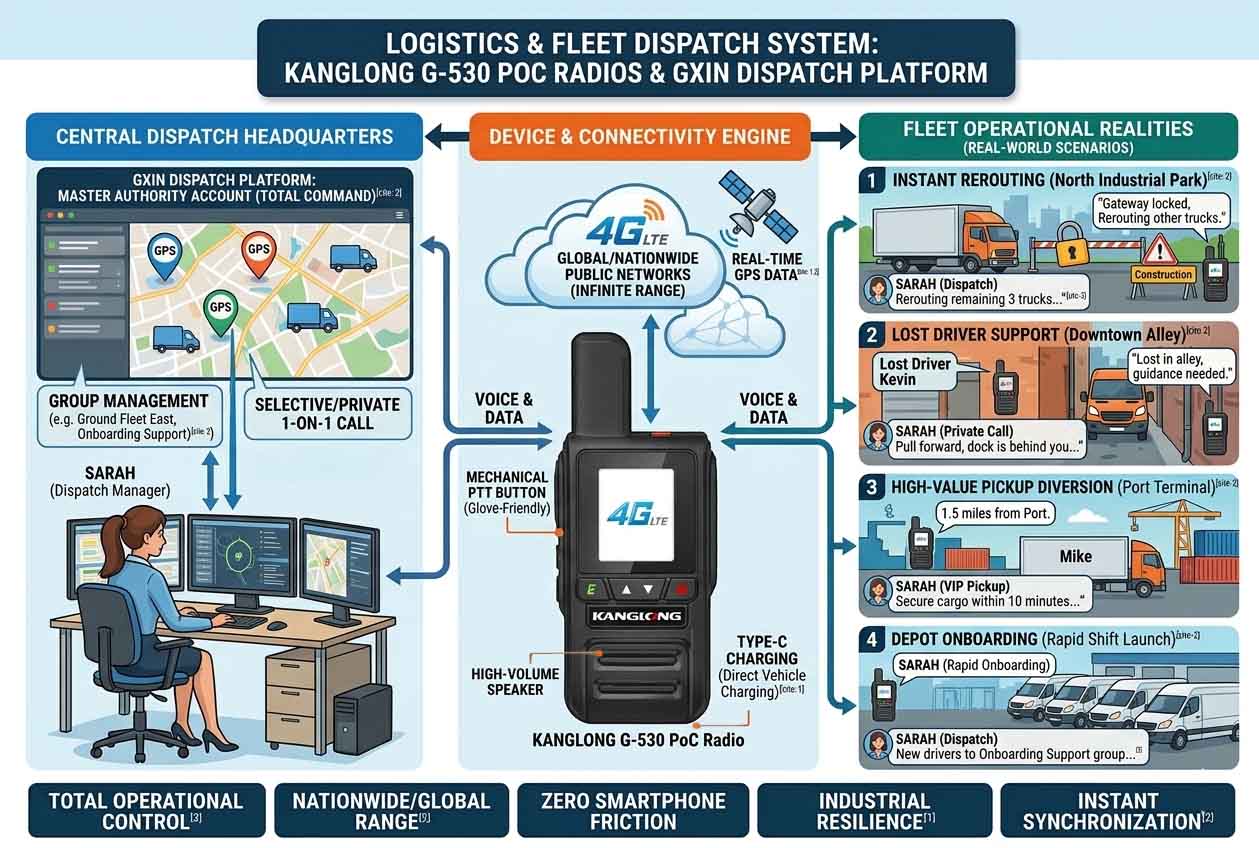
Una solución de gestión de comunicaciones solo es valiosa si resiste sin problemas las condiciones exigentes de la carretera. Si una herramienta de comunicación se desconecta a mitad de un turno agotador, sus funciones de software pierden toda validez.
Integridad inquebrantable de la batería
La batería de polímero de litio de 2500 mAh integrada en el Kanglong G-530 está diseñada para ciclos de trabajo prolongados. Gracias a la alta optimización de la transmisión de datos PoC, la radio alcanza una autonomía típica en modo de espera de hasta 100 horas. En la práctica, sus equipos de campo pueden trabajar turnos continuos de 12 horas extras con el seguimiento GPS activado, y el indicador de batería mostrará siempre una amplia reserva de energía al final del día.
Infraestructura universal tipo C
Las radios de flota tradicionales suelen requerir bases de carga de escritorio multipin especializadas y patentadas. Si un conductor olvida conectar correctamente la radio por la noche, o si los delicados pines dorados se doblan por un manejo brusco, el dispositivo se convierte en un trozo de plástico inservible en la carretera.
El G-530 resuelve este problema integrando una interfaz abierta USB-C estandarizada y de alta resistencia directamente en el lateral del chasis. Los conductores pueden cargar sus radios en movimiento utilizando los mismos cables USB-C universales y robustos que ya están instalados en el panel de control de sus camiones, eliminando la necesidad de costosos accesorios propietarios.
Al examinar la estructura operativa de una empresa de logística altamente rentable, uno se da cuenta de que agregar más aplicaciones de software a un teléfono inteligente de consumo estándar no resuelve los problemas de comunicación, sino que simplemente introduce más distracciones y vulnerabilidades.
Un conductor que intenta maniobrar un vehículo de varias toneladas en medio del tráfico denso mientras cumple con un exigente cronograma de entrega no necesita un navegador web, redes sociales ni una pantalla de cristal frágil que se rompa al primer contacto con el suelo de hormigón de un almacén. Necesita una conexión física indestructible, compatible con guantes, que lo conecte con todo su equipo al instante, sin fallas y bajo cualquier condición de trabajo.
La combinación de la "Radio PoC Kanglong G-530La plataforma de despacho Gxin cierra esta brecha operativa. Proporciona a su equipo de campo una herramienta confiable de acceso instantáneo que elimina las distracciones. Al mismo tiempo, ofrece a su equipo de despacho un centro de mando centralizado para optimizar rutas, gestionar personal de temporada y eliminar el desperdicio de combustible en la ciudad o en cualquier parte del mundo.
Deja de operar a ciegas, deja de gestionar cadenas de llamadas lentas y deja de permitir que la fricción de los smartphones erosione tus márgenes diarios. Integra toda tu flota global en un único mapa de comandos con respuesta instantánea.
Con sede en Quanzhou, China, centro neurálgico mundial de las radiocomunicaciones, KANGLONG ELECTRON. TECH. CO., LTD. lleva más de veinte años fabricando y diseñando equipos de comunicación inalámbrica profesionales de alto rendimiento. Certificada según las normas ISO 9001, CE, FCC y RoHS, KANGLONG RADIO ofrece soluciones OEM/ODM robustas a socios de logística, seguridad y construcción en más de treinta países de todo el mundo.
Contacta con nosotros grupo de arquitectura de despacho Solicite hoy mismo una demostración personalizada de la plataforma Gxin para su flota global o regional.
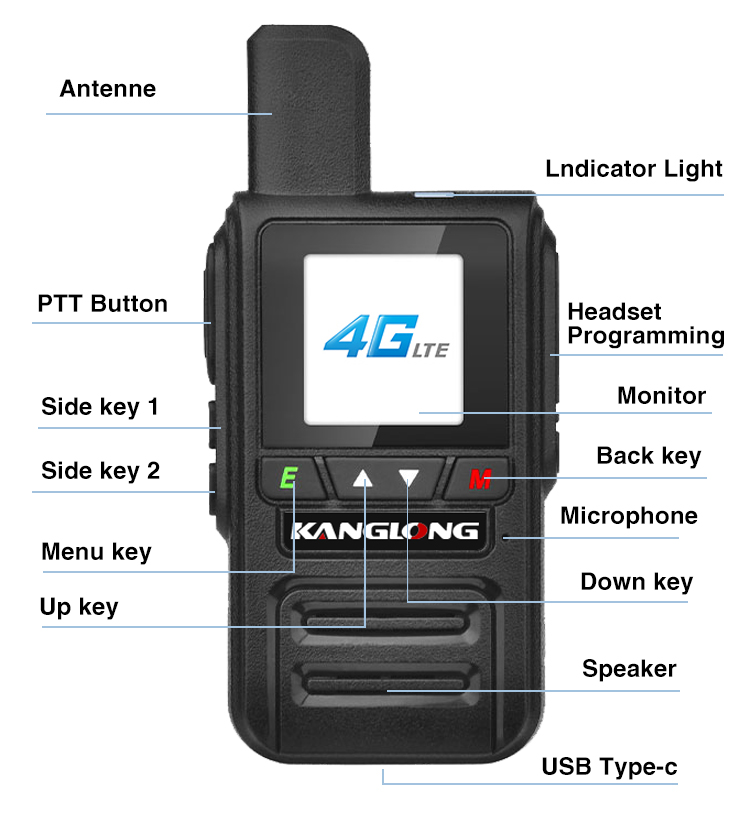
El G-530 es un radiotransmisor de red 4G económico que ofrece un rendimiento robusto de primera calidad y un alcance ilimitado sin un precio elevado.
LEER MÁS