 English
 عربي
عربي Русский
 Français
 Español
 Deutsch
Experimente una claridad superior y una fiabilidad robusta con el DM-900UV, una radio DMR de doble banda de 10 W con protección IP68 contra el agua y 300 horas de grabación de voz.
LEER MÁS

A las 2:00 de la madrugada, la vía férrea está tranquila.
Los pasajeros se han ido, pero la vía férrea sigue en pie.
Un equipo de mantenimiento de vías trabaja a varios kilómetros de la estación. Un equipo de electricistas revisa el equipo junto a la línea. Un supervisor se desplaza entre las áreas de trabajo, mientras que un vehículo de servicio transporta herramientas a otra sección.
Entonces, un equipo necesita ayuda.
El supervisor necesita contactarlos de inmediato.
¿Pero qué ocurre si no hay señal móvil?
¿Qué ocurre si las radios analógicas existentes solo cubren una parte del área de trabajo?
¿Y si la compañía ferroviaria no quiere sustituir los cientos de radios que todavía funcionan?
Estas son las verdaderas cuestiones que subyacen a un proyecto de comunicación ferroviaria.
No existe una única radio que sea la mejor para todos los trabajadores ferroviarios. Un empleado de estación, un equipo de mantenimiento de vías en una zona remota y un supervisor regional pueden tener necesidades de comunicación completamente diferentes.
Un enfoque más adecuado consiste en adaptar el sistema de radio al equipo, al área de trabajo y a la red disponible.
KANGLONG Ofrece diversas tecnologías de radio que pueden utilizarse para diferentes aplicaciones ferroviarias:
DMR | LoRa Mesh | 4G PoC | Analógico de alta potencia | Analógico de potencia estándar | Modo dual
La elección depende principalmente de tres cosas:
Dónde trabaja el equipo
Si hay una red disponible
Si el cliente ya tiene un sistema de radio existente
DMR es una opción práctica para los equipos ferroviarios que necesitan una comunicación de voz profesional y organizada dentro de un área definida.
Los equipos de mantenimiento de vías, ingeniería, seguridad y patios ferroviarios pueden asignarse a canales o grupos separados.
Por ejemplo:
Canal 1 — Mantenimiento de vías
Canal 2 — Eléctrico / Señal
Canal 3 — Inspección
Canal 4 — Supervisor
Si la cobertura directa con un dispositivo portátil no es suficiente, se puede añadir un repetidor DMR.
La tecnología DMR es especialmente adecuada para operadores ferroviarios que ya disponen de una infraestructura de radio digital o que necesitan una comunicación grupal estructurada.
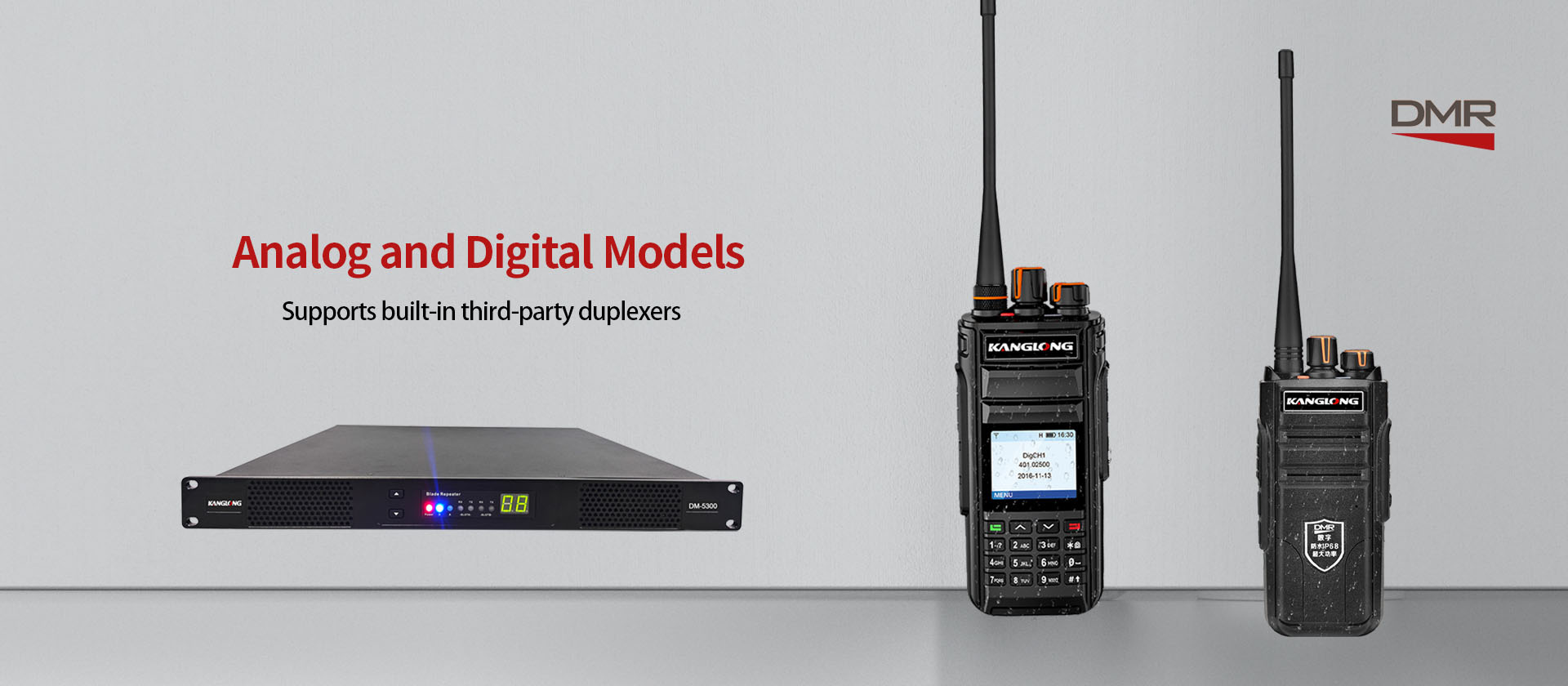
El DM-800 es un transceptor portátil DMR con clasificación IP68, diseñado para trabajos exigentes en exteriores. Es ideal para equipos de mantenimiento de vías, ingeniería, seguridad y otros profesionales ferroviarios.
La principal ventaja es evidente: los trabajadores pueden comunicarse rápidamente sin depender de una red celular.
Algunos tramos de ferrocarril presentan un problema diferente:
Sencillamente no hay red.
Un sendero remoto puede carecer de señal 4G fiable. Una zona de mantenimiento temporal puede estar lejos de la infraestructura de comunicaciones existente. Los túneles, las montañas y las grandes estructuras de hormigón también pueden dificultar las comunicaciones convencionales.
Aquí es donde se puede considerar KANGLONG LoRa Mesh.
Está diseñada como una red de comunicación independiente y autoorganizada. No requiere tarjeta SIM, red celular ni Wi-Fi.
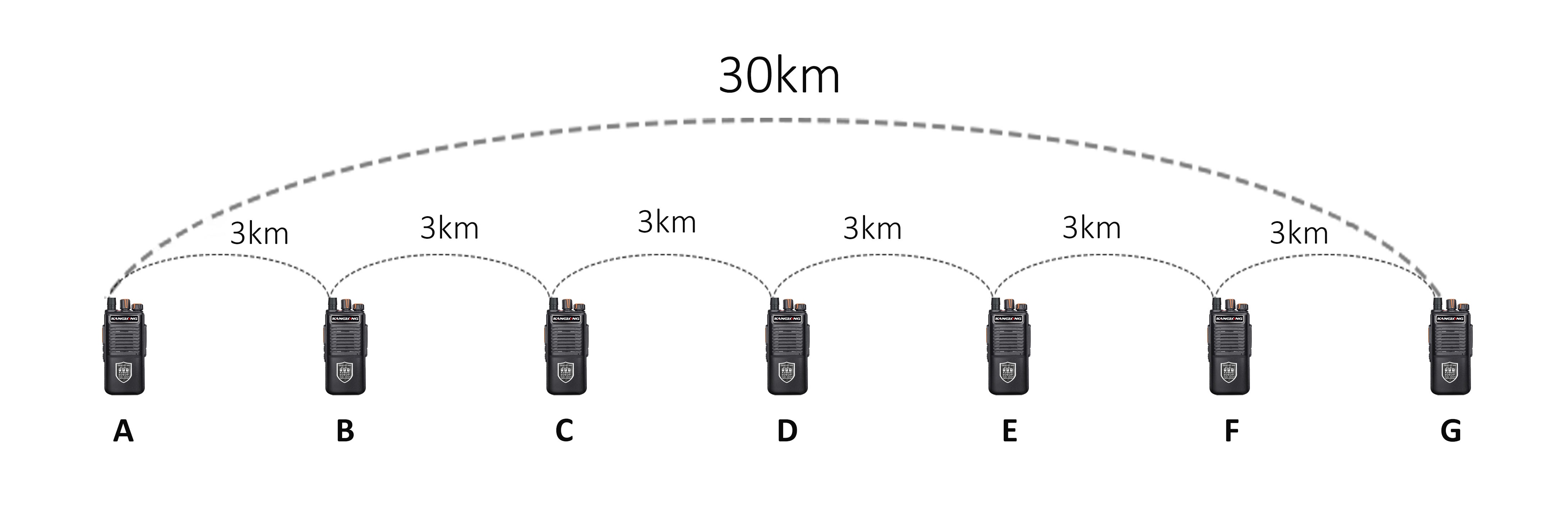
CLos módulos de radio LoRa compatibles forman automáticamente una red de malla, y cada dispositivo puede funcionar como repetidor. Las señales pueden saltar de un dispositivo a otro hasta 30 niveles. Cuando la señal directa se debilita, el sistema puede reenviar automáticamente la comunicación a través de otro nodo disponible.
Por ejemplo:
Radio A → Radio B → Radio C → Radio D → Radio E
La comunicación no depende únicamente de la distancia directa entre A y E.
Para áreas más extensas o de difícil acceso, se pueden añadir repetidores específicos.
D6000 — Repetidor fijo/vehicular de 20 W
D6000R — Repetidor portátil de 18 W con batería
D7000 — Repetidor de 20 W alimentado por energía solar para instalación permanente fuera de la red eléctrica.
Estos repetidores pueden ayudar a extender la red LoRa Mesh en tramos ferroviarios remotos.
El D750 es un dispositivo portátil LoRa Mesh de 8 W con clasificación IP68 y capacidad de retransmisión de 30 niveles.
Para un proyecto temporal de mantenimiento ferroviario, un D6000R puede utilizarse como relé portátil.
Para un tramo ferroviario remoto permanente, se puede considerar un repetidor solar D7000.
Importante: El sistema LoRa de KANGLONG es independiente de los sistemas de radio DMR y analógicos. Los productos LoRa se comunican con productos LoRa compatibles; no se comunican directamente con los walkie-talkies DMR ni con los convencionales analógicos.
Un supervisor ferroviario puede necesitar comunicarse con equipos en diferentes estaciones o en una región extensa.
Aquí es donde la tecnología 4G PoC se vuelve útil.
Las radios PoC utilizan la red celular para la comunicación pulsar para hablar, por lo que los usuarios no están limitados por la cobertura de un repetidor de radio local.
Entre los usuarios típicos se incluyen:
supervisores regionales
Gerentes de operaciones
Gerentes de mantenimiento
Equipos de servicio móvil
Contratistas
Equipos que trabajan en múltiples emplazamientos ferroviarios
Pero existe otra opción que puede ayudar a reducir el coste operativo de los sistemas de diagnóstico en el punto de atención (PoC).
Algunos modelos KANGLONG PoC, incluyendo el G320, G360 y Android PZ-56, compatible con Wi-Fi.
Esto significa que, cuando los trabajadores se encuentren en un lugar con conexión Wi-Fi fiable, la radio podrá conectarse directamente a la red Wi-Fi en lugar de utilizar una tarjeta SIM para los datos móviles.
Por ejemplo, es posible que ya haya conexión Wi-Fi disponible en:
Estaciones de ferrocarril
Salas de control
Oficinas de mantenimiento
almacenes
Depósitos
Talleres
terminales ferroviarias
En estas zonas, los usuarios pueden utilizar la plataforma PoC a través de Wi-Fi sin consumir una conexión de datos de la tarjeta SIM móvil.
Esto puede reducir la cantidad de tarjetas SIM necesarias y ayudar a disminuir los costos recurrentes de comunicación.
Los modelos G320 y G360 son radios PoC Wi-Fi/4G compactas, mientras que el Android PZ-56 admite Wi-Fi, Bluetooth, GPS y aplicaciones basadas en Android.
Para el personal ferroviario que se desplaza con frecuencia entre edificios con conexión Wi-Fi y zonas al aire libre, estos modelos pueden resultar especialmente prácticos.
Conexión Wi-Fi disponible → conéctese directamente a la red Wi-Fi.
Fuera de la cobertura Wi-Fi → utilice 4G con tarjeta SIM.
Esto ofrece al cliente mayor flexibilidad en lugar de depender exclusivamente de los datos móviles.
Algunos clientes ferroviarios no necesitan DMR ni una plataforma de comunicación basada en red.
Simplemente quieren una radio analógica convencional con mayor potencia de transmisión.
Para grandes áreas de trabajo al aire libre, se puede considerar una radio analógica de 10 a 20 W, sujeta a las regulaciones locales de frecuencia y a los requisitos de licencia.
Las aplicaciones típicas incluyen:
Grandes estaciones de ferrocarril
Mantenimiento de vías
Ingeniería al aire libre
Secciones de construcción
Vehículos de mantenimiento
El T-930 es una radio analógica de 20 W diseñada para usuarios que desean una comunicación por radio tradicional de alta potencia.
Se puede considerar esta opción cuando la prioridad del cliente es una comunicación por radio sencilla y directa, en lugar de una plataforma digital o celular.
Sin embargo, una mayor potencia no implica automáticamente una mayor cobertura en condiciones reales. La posición de la antena, el terreno, la frecuencia, los edificios y las interferencias también influyen en el resultado.
No todos los equipos ferroviarios necesitan 10W o 20W.
El personal de las estaciones, los pequeños equipos de mantenimiento, los almacenes y las cocheras ferroviarias pueden necesitar comunicarse únicamente dentro de un área relativamente definida.
Para estos usuarios, una radio analógica convencional de 5 W o menos puede ser suficiente.
Es sencillo, familiar y no requiere una plataforma de suscripción.
La P-500 es una radio analógica de 5 W diseñada para la comunicación profesional en exteriores.
Para los equipos ferroviarios que principalmente necesitan comunicación de voz sencilla, ya sea en grupo o punto a punto, esta puede ser una opción más económica que implementar un sistema más complejo.
Esto es especialmente importante para los clientes ferroviarios que ya cuentan con una gran flota de equipos de radio analógicos.
Sustituir cientos de radios existentes simplemente para introducir la tecnología PoC puede resultar costoso.
Una mejor opción podría ser utilizar una radio de modo dual con función de transferencia/repetidor.
La radio puede funcionar con:
4G PoC + analógico VHF/UHF
Y lo que es más importante, el sistema de modo dual se puede configurar para conectar el lado PoC con el sistema de radio analógico existente del cliente.
Por ejemplo:
Radio PoC → Radio de modo dual → Radios analógicas existentes
Un supervisor que utilice PoC puede comunicarse con los trabajadores que aún utilizan sus walkie-talkies analógicos.
Esto significa que el cliente no necesariamente necesita reemplazar toda la flota analógica de una sola vez.
Puede reducir significativamente la inversión necesaria para modernizar el sistema de comunicaciones.
Los modelos PG-60 y PG-66 son radios PoC/analógicas de modo dual.
Admiten comunicación analógica 4G PoC y VHF/UHF, y la plataforma de modo dual incluye un modo repetidor/transferencia para conectar ambos canales de comunicación. El PG-66 también admite la sincronización de frecuencia con radios analógicas existentes, lo que facilita la actualización de la flota.
Esta es una opción particularmente útil para los clientes ferroviarios que ya tienen cientos de radios analógicas en funcionamiento.
Relaciona la radio con el equipo ferroviario.
En lugar de preguntar:
“¿Cuál es la mejor radio?”
Comience con:
“¿Qué necesita hacer este equipo?”
| Equipo ferroviario / Requisitos | Sistema recomendado | Ejemplo |
|---|---|---|
| Mantenimiento de vías locales | DMR | DM-800 |
| Equipo de ingeniería profesional | DMR | DM-800 |
| Zona remota sin cobertura celular. | Malla LoRa | D750 |
| Comunicación de larga distancia fuera de la red eléctrica | Red LoRa + Repetidor | D750 + D6000/D6000R |
| Sección remota permanente | Red LoRa + Repetidor Solar | D750 + D7000 |
| supervisores regionales | PoC 4G | PG-55 |
| Edificios ferroviarios con cobertura Wi-Fi | Wi-Fi PoC | G320 / G360 / PZ-56 |
| Equipos que realizan actividades al aire libre y necesitan conexión celular y Wi-Fi. | Wi-Fi + 4G PoC | G320 / G360 / PZ-56 |
| Amplia zona de trabajo al aire libre | Analógico de alta potencia | T-930 |
| Equipos de estación/patio | Analógico estándar | P-500 |
| Flota analógica existente + actualización de PoC | Modo dual | PG-60 / PG-66 |
Ejemplo: Una vía férrea, diferentes sistemas de comunicación.
Imagínese un operador ferroviario con tres entornos de trabajo diferentes.
El personal de la estación y el personal de seguridad trabajan principalmente dentro de un área delimitada.
Una radio analógica o DMR de 5 W puede ser suficiente.
En las zonas donde ya hay conexión Wi-Fi disponible, un dispositivo PoC con capacidad Wi-Fi puede comunicarse a través de la red Wi-Fi existente sin necesidad de una tarjeta SIM.
Un equipo de mantenimiento está trabajando a una distancia de entre 10 y 20 km de la estación.
La cobertura celular es escasa o inexistente.
En lugar de instalar una red celular, se puede implementar un sistema LoRa Mesh.
Los operarios portan radios D750, mientras que los repetidores D6000R o D6000 pueden colocarse donde se necesite cobertura adicional.
Las radios retransmiten automáticamente la comunicación a través de la red de malla.
El supervisor necesita comunicarse con equipos en diferentes ubicaciones ferroviarias.
Un dispositivo de radio PoC es más adecuado donde hay cobertura 4G.
Si el supervisor se encuentra dentro de una oficina o estación con cobertura Wi-Fi, un modelo PoC con Wi-Fi habilitado puede conectarse a través de Wi-Fi en lugar de utilizar datos móviles.
Otro grupo ya cuenta con una gran flota de radios analógicas.
La compañía ferroviaria no quiere sustituirlos de inmediato.
Se puede introducir una radio de modo dual PG-60 o PG-66 como puente entre el sistema PoC y la red de comunicación analógica existente.
Esto permite al cliente actualizar las capacidades de comunicación sin tener que reemplazar todas las radios existentes a la vez.
Se requiere comunicación de voz digital profesional.
El ferrocarril cuenta con un sistema DMR existente.
La comunicación del grupo local es el requisito principal
Se puede instalar infraestructura de repetidores
No hay red celular
Se requiere una red de comunicación independiente.
El tramo ferroviario es remoto.
Se necesita comunicación a larga distancia
Los usuarios pueden formar una red de malla mediante radios LoRa compatibles.
Se pueden añadir repetidores para una mayor cobertura.
Los equipos están repartidos por diferentes ubicaciones.
Hay cobertura 4G disponible.
Se requiere la función pulsar para hablar de área amplia.
El cliente desea una comunicación centralizada.
Los trabajadores se encuentran frecuentemente dentro de áreas con cobertura Wi-Fi.
El cliente quiere reducir el uso de la tarjeta SIM.
Las estaciones de tren, oficinas o depósitos ya tienen Wi-Fi.
El cliente desea una comunicación analógica tradicional.
Se requiere una amplia área de cobertura exterior.
Una potencia de 10 a 20 W es adecuada para la aplicación.
Las distancias de comunicación son relativamente cortas.
El cliente quiere una radio sencilla y económica.
No se requiere ninguna plataforma digital o celular.
El cliente ya posee radios analógicas.
El cliente quiere introducir una prueba de concepto (PoC).
Reemplazar toda la flota de radios sería costoso.
Los usuarios de PoC necesitan comunicarse con los usuarios analógicos existentes.
No existe una única respuesta.
DMR: comunicación de voz digital local profesional.
LoRa Mesh: comunicación independiente de largo alcance en lugares donde no hay red.
4G PoC: comunicación de área amplia donde hay cobertura celular disponible.
Wi-Fi PoC: comunicación PoC a través de la red Wi-Fi existente, lo que ayuda a reducir el uso de la tarjeta SIM.
Analógico de alta potencia: comunicación tradicional de 10 a 20 W para aplicaciones exteriores adecuadas.
Analógico estándar: comunicación sencilla para áreas de trabajo más pequeñas.
Modo dual: conecte los dispositivos PoC con una flota analógica existente y reduzca los costos de actualización.
La mejor configuración depende de la ubicación del equipo ferroviario, los requisitos de cobertura, el equipo existente y la red disponible.
Un operador ferroviario no tiene por qué poner a todos sus empleados en la misma radio.
Un equipo de estación puede necesitar únicamente una radio analógica de 5W.
Un equipo de mantenimiento de vías en una zona sin señal podría necesitar LoRa Mesh.
Un supervisor regional podría necesitar un punto de contacto 4G.
Una oficina ferroviaria con conexión Wi-Fi puede utilizar radios PoC con Wi-Fi y reducir el uso de tarjetas SIM.
Un cliente que disponga de cientos de radios analógicas puede utilizar radios de modo dual para conectar el sistema antiguo con PoC en lugar de reemplazarlo todo.
Esa es la forma práctica de diseñar un sistema de comunicación ferroviaria:
Analice dónde trabaja el equipo, qué red está disponible, qué radios ya se utilizan y hasta dónde debe llegar la comunicación. Luego, elija la tecnología.
KANGLONG puede proporcionar radios DMR, LoRa Mesh, 4G/Wi-Fi PoC, analógicas y de modo dual para diferentes necesidades de comunicación ferroviaria.
Cuéntenos sobre el trazado de su vía férrea, el tamaño de su equipo, la distancia de trabajo, las radios existentes y las condiciones de su red. Podemos ayudarle a configurar la solución adecuada.
El D6000E pertenece al sistema LoRa Mesh de KANGLONG y se comunica con productos LoRa compatibles.
No se comunica directamente con radios portátiles DMR ni con walkie-talkies analógicos convencionales.
El sistema LoRa Mesh de KANGLONG está diseñado para la comunicación independiente sin redes celulares, tarjetas SIM ni tarifas mensuales de datos móviles.
Los dispositivos compatibles forman la propia red de malla, y cada nodo puede participar en el reenvío de señales.
Los dispositivos compatibles pueden funcionar como nodos repetidores.
El sistema admite hasta 30 niveles de retransmisión, lo que permite que la comunicación se transmita a través de varios dispositivos cuando no es posible una conexión directa. También se pueden utilizar repetidores dedicados como el D6000, el D6000R y el D7000 para ampliar la cobertura.
Sí, cuando haya una red Wi-Fi adecuada disponible.
Estos modelos PoC con conexión Wi-Fi pueden conectarse directamente a la red Wi-Fi y utilizar la plataforma PoC sin necesidad de una tarjeta SIM para dicha conexión.
Esto puede resultar útil en estaciones de tren, oficinas, depósitos, talleres y otros lugares donde ya haya conexión Wi-Fi disponible.
Sí.
En los modelos con conexión Wi-Fi, esta se puede utilizar cuando el dispositivo se encuentra dentro de una red Wi-Fi adecuada, mientras que la conexión 4G se puede utilizar cuando se requiere conectividad celular.
Esto ofrece al cliente mayor flexibilidad y puede reducir el consumo de datos y de la tarjeta SIM en zonas con cobertura Wi-Fi.
Sí.
El sistema de modo dual puede utilizar su función de transferencia/repetidor para conectar el lado de comunicación PoC con radios analógicas compatibles existentes.
Para un operador ferroviario con una gran flota analógica, esto puede reducir la necesidad de reemplazar todas las radios existentes durante una actualización del sistema PoC.
No necesariamente.
Se puede utilizar una solución de modo dual, como PG-60 o PG-66, para conectar el lado PoC con el sistema de comunicación analógica existente.
Esto permite al cliente actualizar la red gradualmente en lugar de reemplazar toda la flota de inmediato.
La potencia de transmisión es solo un factor.
El terreno, la posición de la antena, la frecuencia, los edificios y las interferencias pueden tener un efecto importante en la cobertura real.
Una radio de 5 W puede ser suficiente para una estación o un patio, mientras que una radio de mayor potencia puede ser más apropiada para una zona de mantenimiento exterior extensa.
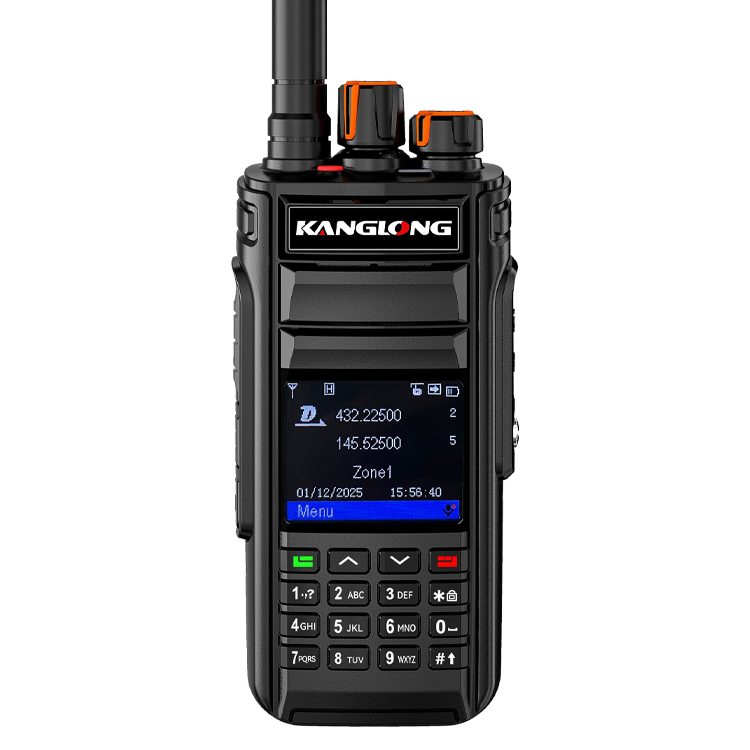
Experimente una claridad superior y una fiabilidad robusta con el DM-900UV, una radio DMR de doble banda de 10 W con protección IP68 contra el agua y 300 horas de grabación de voz.
LEER MÁS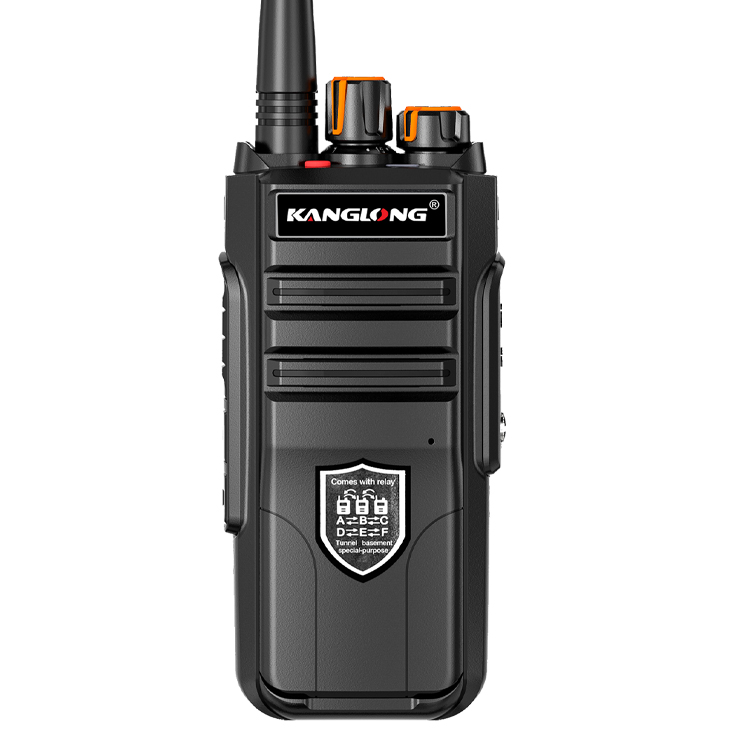
La radio de malla ad hoc D-750 incorpora una función de transferencia de salto continuo de 30 niveles para ampliar el alcance de la comunicación, proporcionando una señal fiable de alta potencia de 8 W y protección impermeable IP68 para una conectividad perfecta en entornos complejos como túneles o sótanos.
LEER MÁS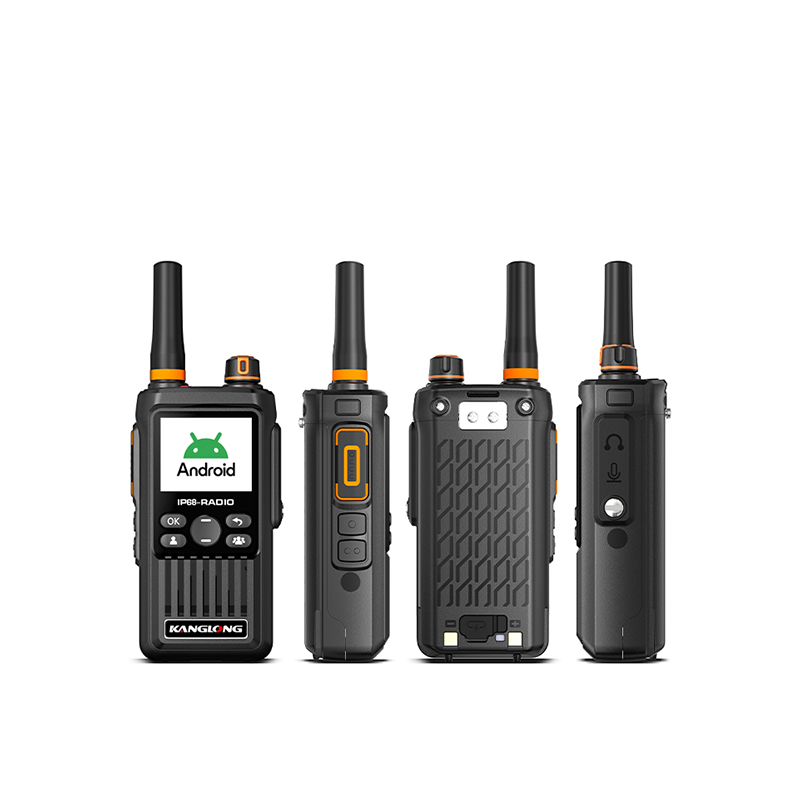
Un walkie-talkie versátil con Android 8.1 4G LTE que cuenta con conectividad WiFi de alta velocidad, datos LTE Cat 4 y compatibilidad nativa con Zello y Smart PTT para una comunicación global sin interrupciones.
LEER MÁS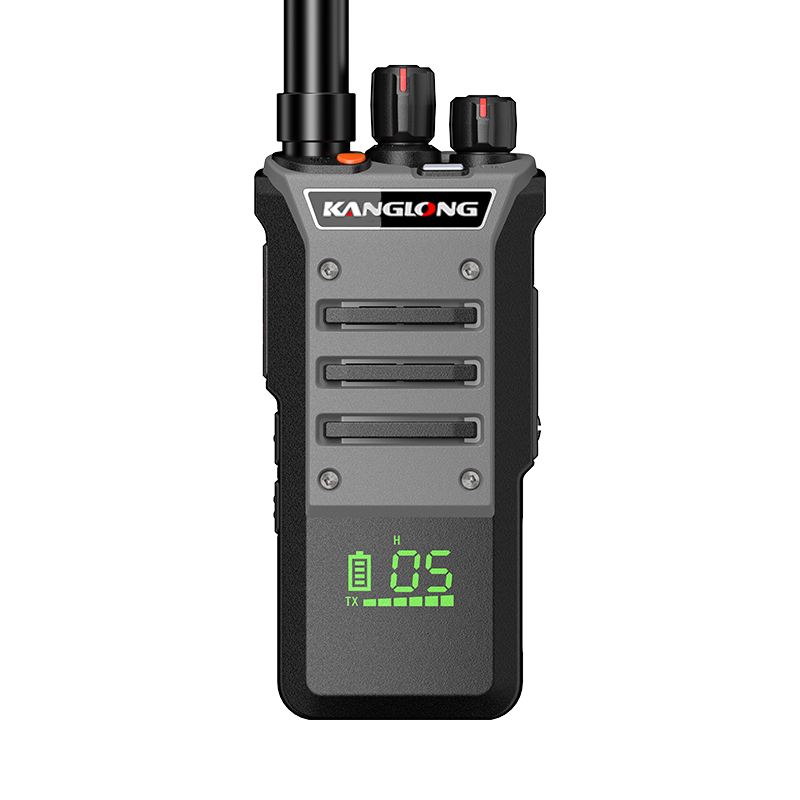
La radio bidireccional definitiva de alta potencia de 20 W, resistente al agua con certificación IP68, que incluye una batería de 3200 mAh que también funciona como batería externa de emergencia para mantener a tu equipo conectado y con energía en los entornos más adversos.
LEER MÁS